
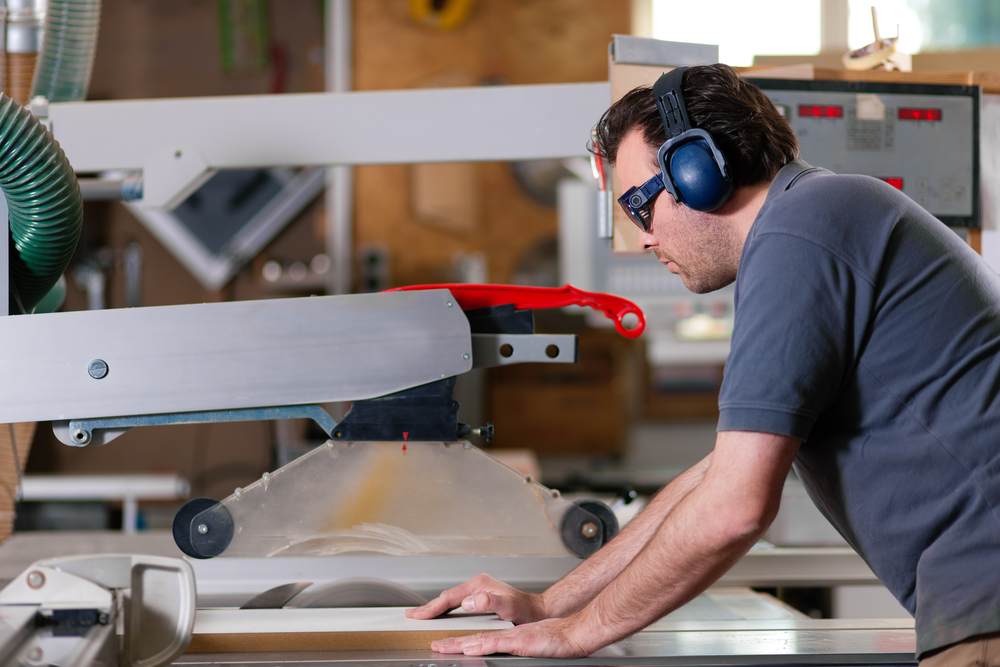
Prolonged exposure to sound can take a severe toll on your hearing health, particularly in settings where sound levels exceed safe thresholds. Protecting your ears is paramount—not only for warding off hearing loss but also for maintaining focus in noisy surroundings. So, how do you find the appropriate level of hearing protection for your requirements?
Understanding noise levels and their impact
Noise damage relies not only on the volume of the sound but also on how long you are exposed to it. The main measurement for gauging noise levels is dB, a unit used to quantify sound loudness. Sounds at 85 dB and higher could cause hearing damage, especially when exposure is continuous.
Consider that 85 dB equals the volume of city traffic noise heard while sitting in a car. Even though this might not sound too loud, eight hours of continuous exposure at this level can initiate harm to your hearing. As the sound gets louder, the amount of time you can be exposed securely decreases:
- A sound level of 90 dB (e.g., a Lawnmower) can cause damage after 4 hours of exposure.
- 100 dB (Power tools): Limit exposure to 1 hour or less.
- 110 dB (Leaf blower): Just 15 minutes of exposure can cause damage.
- Even momentary exposure to 120 dB (e.g., a Rock concert) is enough to cause hearing damage.
- Immediate pain and damage are possible at 140 dB (Jet engine).
How to detect risky noise settings
If you’re regularly exposed to noise levels of 85 dB or more, wearing hearing protection is crucial. Such protection is chiefly critical in industrial settings, including factories and construction sites, or any places where high noise is produced by tools, equipment, or engines.
Beyond the professional setting, scenarios like recreational shooting sports, using leaf blowers, or going to shows are cases where you may benefit from using hearing protection due to the unsafe noise exposure.
Choosing protection based on Noise Reduction Ratings (NRR)
Hearing protection performance is measured using the Noise Reduction Rating (NRR) scale. The rating shows the level of sound blockage, stated in dB, that the unit provides. More significant protection is shown by a larger NRR value. To give a concrete example, a 30 dB NRR on earplugs would lower an 85 dB noise down to 55 dB, which is a sound level well under the unsafe limit.
In selecting protection, you must evaluate the exact noise levels you face and ensure your chosen device reduces the volume sufficiently to remain under 85 dB.
The vital function of comfort in consistent protection
Although the NRR is essential, comfort is equally significant for ensuring that the protection will be used consistently over time. You might be tempted to take off the protection if it is uncomfortable or awkward, thereby exposing your ears to hazardous sound.
When the protection is comfortable, it promotes continuous use and lessens the danger associated with removing it periodically. If, for example, earmuffs feel uncomfortable or are too heavy, you are inclined to take them off periodically, resulting in harmful noise exposure.
Different types of hearing protection to choose from
Different types of hearing protection are available, and each one presents unique pros and disadvantages:
- Inside the ear canal, Foam Earplugs provide superb noise reduction. They are disposable and light, yet some individuals may find them uncomfortable.
- Pre-Molded Earplugs are positioned slightly outside the ear canal; they are reusable—a more sustainable choice—and are also easier to handle than foam earplugs.
- Covering the whole ear, Earmuffs are perfect for settings where noise volume changes, as they can be easily removed and replaced. Their drawbacks include potentially feeling warm or heavy over a long period.
The ideal type of protection to choose is determined by your own preference and the requirements of the setting you are in. An example is construction workers favoring earmuffs for their easy convenience, while factory workers may select earplugs for a continuous period of wear.
The cruciality of constant protection
The most effective hearing protection is the one you’ll wear continuously. Even a short period without protection can result in long-term negative effects on your auditory health. For this purpose, finding a device that optimizes protection, comfort, and convenience is necessary.
Protect your hearing for the coming years
Noise is a constant presence in our lives, but with the correct hearing protection, you can safeguard your ears while still managing to appreciate the sounds around you.
Connect with us today to review your potential of noise-induced hearing loss and learn how to best maintain your hearing health.